
A former FBI profiler is offering a more nuanced view of the man accused of attempting to assassinate President Donald Trump and other top officials during a shooting at the White House Correspondents’ Association Dinner, suggesting the incident may have been driven as much by personal despair as political anger.
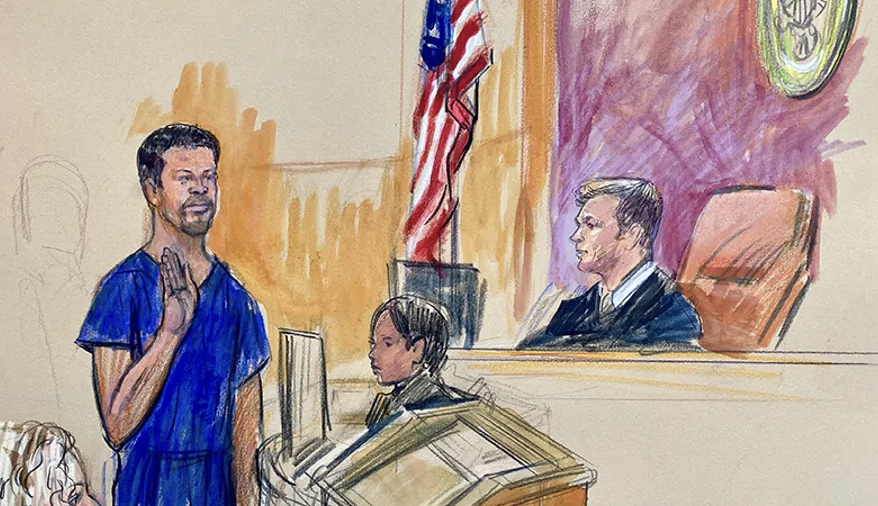
Authorities say Cole Allen forced his way toward a Secret Service checkpoint at the Washington Hilton on Saturday night, where the annual dinner was underway. The event typically draws a high concentration of political leaders, including the president, Cabinet members, and senior officials. Investigators allege Allen opened fire before being subdued and taken into custody.
In messages sent to a family member before the attack, Allen reportedly acknowledged that what he was about to do would likely cost him his life. He described his motivations as political and cast himself as someone acting on behalf of others, though he also expressed concern about innocent people being harmed.
Jim Clemente, a former FBI profiler with decades of experience, said those kinds of statements point to a mindset that doesn’t fit a simple stereotype.
Based on what’s been made public, he argued, Allen doesn’t appear to have been detached from reality in a clinical sense. Instead, Clemente described someone who could think clearly but had emotionally reached a breaking point.
According to Clemente, the decision to charge an armed security checkpoint suggests Allen understood the likely outcome. In that sense, the act may have doubled as a form of suicide. When someone no longer values their own life, Clemente said, the barrier to harming others can erode quickly, especially if they believe their actions serve a larger purpose.
He also pointed to a pattern often seen in targeted acts of violence: the person convinces themselves their actions are justified. In Allen’s case, that may have meant framing the attack as something necessary or even heroic, despite the obvious consequences.
What stands out is that Allen’s background doesn’t match the image of someone disconnected from society. He attended Caltech, worked on research projects, and later earned a graduate degree in computer science. He held a teaching job, developed video games, and by many accounts functioned at a high level professionally.
At the same time, Clemente suggested that outward stability can mask deeper struggles. Severe depression or anxiety, whether visible or not, can reshape how someone sees themselves and the world. Over time, that can lead to a point where extreme actions start to feel like a solution rather than a rupture.
Investigators are still working to piece together a fuller picture of Allen’s motives and mental state. But the early assessment from behavioral experts points to something more complicated than a sudden snap. It appears to be a mix of personal distress, ideological belief, and a willingness to accept — or even seek — a fatal outcome.