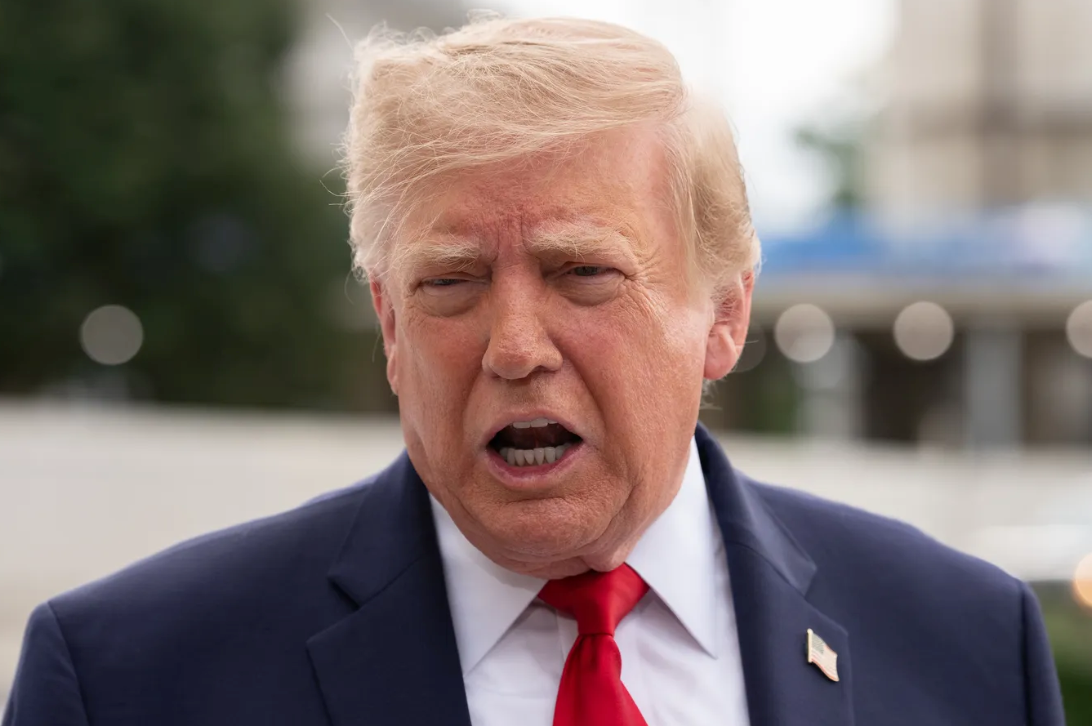

President Joe Biden issued a series of high-profile pardons on Monday, including for former Chairman of the Joint Chiefs of Staff Gen. Mark Milley and others who some speculated could face investigations under the incoming Trump administration. The move comes just hours before President-elect Donald Trump is set to take the oath of office, signaling a sharp transition in leadership and policy direction.
The pardons extend to individuals tied to the January 6 Select Committee investigation, including members of Congress, their staff, and law enforcement officers who testified before the committee. In his order, Biden specified that these individuals are protected from legal actions that might arise under the Trump administration related to their roles in the investigation.
Notably absent from the list of pardons are Special Counsel Jack Smith, Attorney General Merrick Garland, and FBI Director Christopher Wray, despite earlier speculation about whether they would also be granted clemency. These omissions have left questions about their potential vulnerability to investigations or legal actions in the coming months.
Gen. Mark Milley, who retired late last year after his term as chairman, expressed gratitude for the pardon in a statement. Milley highlighted his decades of service and his desire to avoid legal battles or personal attacks that could disrupt his family or his legacy.
“My family and I are deeply grateful for the President’s action today,” Milley wrote. “After forty-three years of faithful service in uniform to our Nation, protecting and defending the Constitution, I do not wish to spend whatever remaining time the Lord grants me fighting those who unjustly might seek retribution for perceived slights.”
Dr. Anthony Fauci, the former director of the National Institute of Allergy and Infectious Diseases, also released a statement in response to receiving a pardon. Fauci has faced consistent criticism and calls for investigations related to his handling of the COVID-19 pandemic, particularly from Republican lawmakers.
“Let me be perfectly clear: I have committed no crime and there are no possible grounds for any allegation or threat of criminal investigation or prosecution of me,” Fauci stated. “The fact is, however, that the mere articulation of these baseless threats, and the potential that they will be acted upon, create immeasurable and intolerable distress for me and my family. For these reasons, I acknowledge and appreciate the action that President Biden has taken today on my behalf.”
The pardons have sparked immediate backlash from Republican lawmakers and commentators. Senator Eric Schmitt of Missouri criticized Biden’s decision in a post on X, accusing the outgoing president of undermining constitutional norms. “The guy who claimed he would ‘protect norms’ continues to bulldoze them and the Constitution until the bitter end. Biden truly is one of the worst Presidents in American history and will only be remembered as the guy between Trump’s two terms,” Schmitt wrote.
This series of pardons follows previous controversial clemency decisions made by Biden, including a blanket pardon for his son, Hunter Biden. That decision drew widespread criticism, with opponents accusing Biden of prioritizing family loyalty over principles of justice. Biden defended the move, citing Hunter’s repayment of back taxes, though critics argued it undermined the credibility of his presidency.
As President Biden leaves office, these final acts of clemency are likely to shape discussions about his legacy. The debate over whether these pardons were necessary acts of protection or politically motivated decisions to shield allies from potential scrutiny will likely persist well into the new administration.