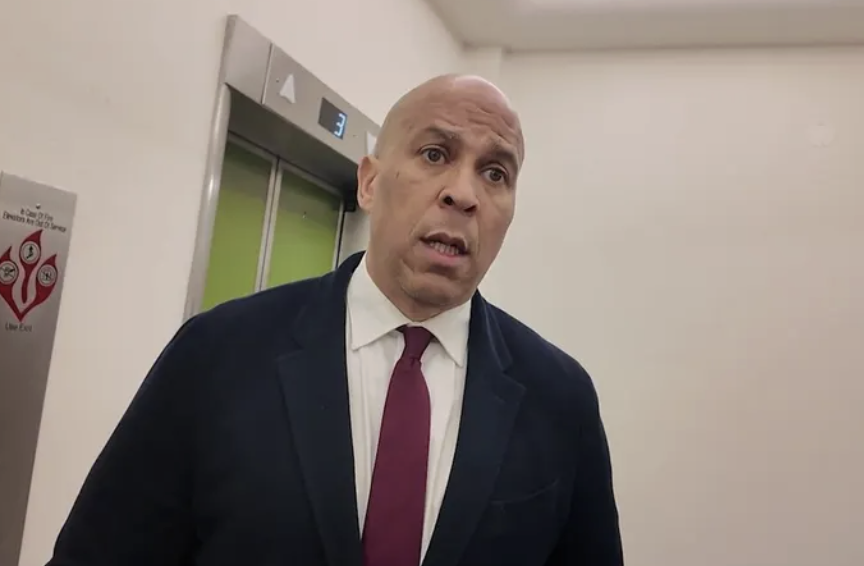

Four Democratic lawmakers were denied access to meet with Kilmar Abrego Garcia, a deported individual currently in custody in El Salvador, after attempting to conduct an unofficial visit to the country. El Salvadoran authorities cited the lawmakers’ lack of formal diplomatic authorization as the reason for the refusal.
House Oversight Chairman James Comer (R-KY) confirmed the development on the social media platform X, formerly Twitter. He stated that the lawmakers were turned away because their travel was not authorized as an official delegation of the United States government. In his post, Comer criticized the trip and questioned its use of taxpayer funding.
The Democratic lawmakers—Representatives Yassamin Ansari (D-AZ), Maxine Dexter (D-OR), Maxwell Frost (D-FL), and Robert Garcia (D-CA)—arrived in El Salvador on Sunday to assess the condition of Abrego Garcia, who had been deported from the United States last month. Their visit follows a previous trip by Senator Chris Van Hollen (D-MD), who has also advocated for the return of Abrego Garcia to the United States.
🚨UPDATE: El Salvador just denied Democrats from meeting with the MS-13 gang member because they didn’t travel to the country in an official capacity.
I will never authorize a penny of taxpayer dollars to send Democrats to El Salvador for a photo-op & margaritas. @FoxNews pic.twitter.com/OERnOyzQqY
— Rep. James Comer (@RepJamesComer) April 21, 2025
Abrego Garcia had been residing in the U.S. for more than ten years prior to his deportation by the Trump administration. The deportation has been met with criticism from various Democratic lawmakers and some media outlets, which argue that the removal may have violated legal procedures.
In a statement during the trip, Representative Ansari expressed concern over the circumstances surrounding the deportation. She accused the Trump administration of violating the Supreme Court’s authority and failing to uphold due process protections. Ansari described the deportation as part of what she views as a broader pattern of overreach by the administration in matters of immigration enforcement.
Representative Garcia also commented on the effort, aligning with Senator Van Hollen’s stance on the matter. Garcia acknowledged that while Abrego Garcia’s family is aware of his current safety, their efforts remain focused on returning him to the United States. Garcia emphasized the need for adherence to the rule of law and said the group’s actions are part of that broader pursuit.
While supporters of the lawmakers’ efforts describe their visit as a human rights advocacy mission, critics—including members of the Republican Party—have pointed to Abrego Garcia’s alleged criminal background. Reports have surfaced linking him to accusations of domestic violence, suspected human trafficking, and alleged gang affiliations, including purported ties to the MS-13 criminal network. These allegations have contributed to ongoing debate in Congress regarding immigration policy and the balance between enforcement and humanitarian considerations.
THE FACTS:
– Abrego Garcia was illegally in the U.S. and had a lawful deportation order.
– Garicia was arrested and found with rolls of cash and drugs.
– Garcia was arrested with two other members of MS-13.
– Two Judges found that Garcia was a member of MS-13.
– Garcia’s wife… pic.twitter.com/xE08GBdnAO— Homeland Security (@DHSgov) April 16, 2025
The refusal of access by El Salvadoran officials has highlighted diplomatic sensitivities surrounding unauthorized visits by foreign government officials. U.S. lawmakers are generally required to travel with formal diplomatic status or in an official capacity when engaging with foreign governments, particularly on matters involving individuals in custody.
A formal hearing or response regarding the status of Abrego Garcia or further attempts to facilitate his return to the U.S. has not yet been scheduled. The situation continues to draw attention in Washington, D.C., as immigration enforcement, international diplomacy, and the legal rights of deported individuals remain central themes in ongoing policy debates.