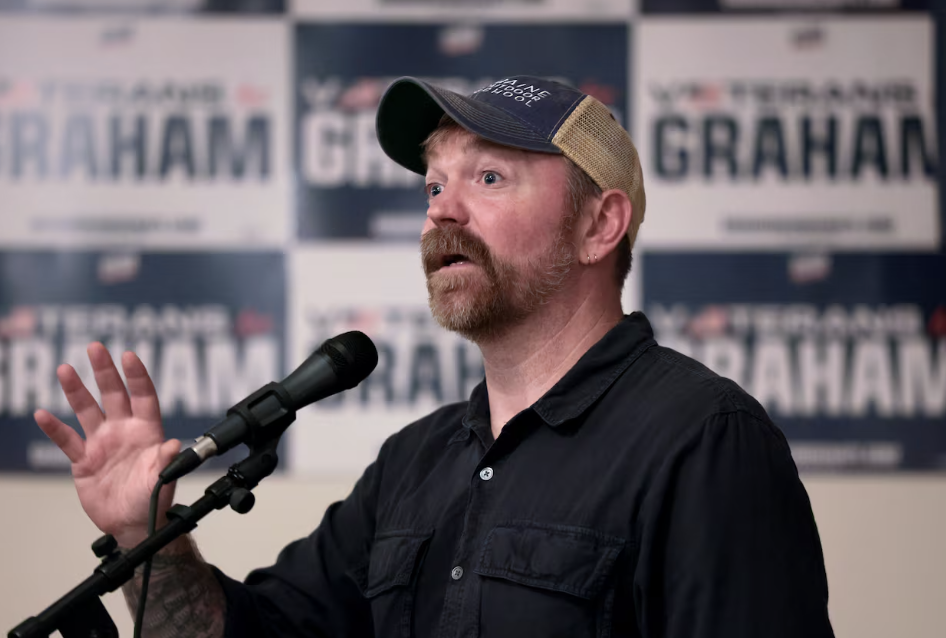

Mayor Karen Bass recently made a revealing comment about her political opponent, Spencer Pratt, saying he was “tapping into a general sense of anger.” The remarkable part wasn’t that voters are angry. That much is obvious. What stood out was how disconnected Bass seemed from the reason behind that anger in the first place.
Yes, Americans are frustrated. In cities like Los Angeles, people are dealing with soaring housing costs, rising crime concerns, homelessness, inflation, and a growing sense that government officials are either ineffective or simply not listening. When politicians like Bass frame that frustration as some vague emotional current being exploited by opponents, they miss the larger point entirely: voters are angry because they feel failed by the people already in power.
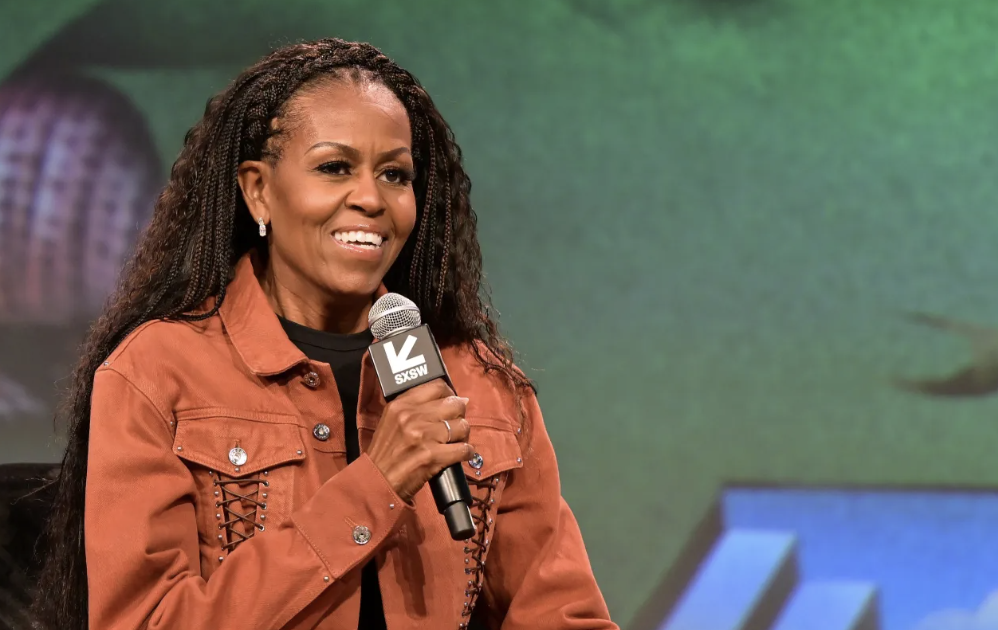
That disconnect has become a broader problem for Democrats nationally. Michelle Obama touched on the same theme during a recent interview on the “Talk Easy” podcast with Sam Fragoso. Reflecting on why people voted for Donald Trump, she suggested many Americans were struggling with healthcare costs and the high cost of living, making them more vulnerable to blaming others or making choices “against their own interest.”
Michelle Obama on the state of the country: It feels like “we’re confused.” pic.twitter.com/uUSJfXRi2X
— Western Lensman (@WesternLensman) May 19, 2026
To her credit, Obama acknowledged that voters cannot simply be dismissed as racist or uncaring. She argued many Americans were desperate for change and didn’t know what else to do. But even there, the framing still carried a sense of condescension. Saying voters made “bad choices” because they were struggling economically suggests they didn’t fully understand what they were doing at the ballot box.
A lot of voters would strongly disagree with that characterization.
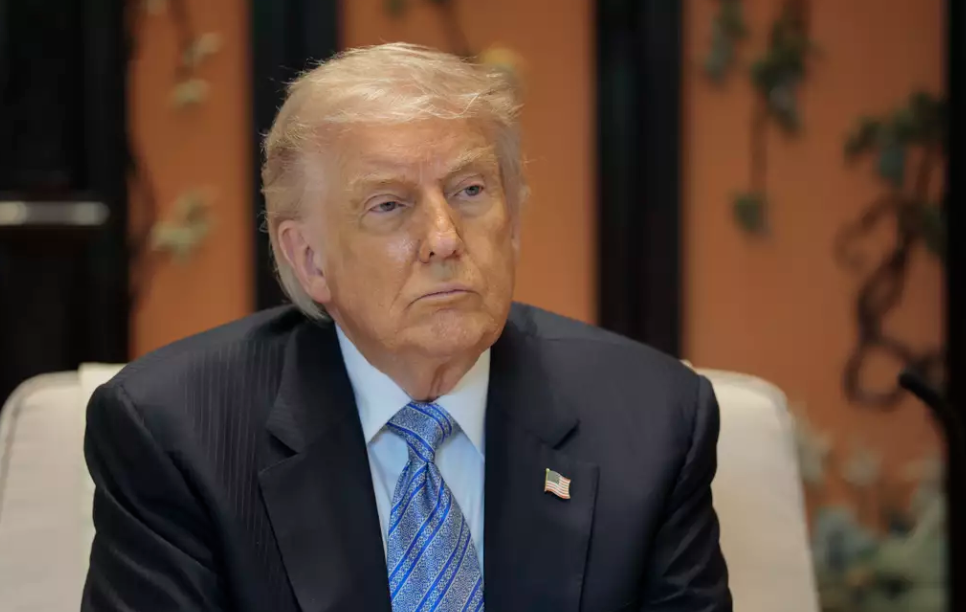
Many Americans made a conscious, affirmative choice. They voted for policies they supported after years of disappointment with leaders who promised solutions but failed to deliver meaningful results. Obamacare was sold as a transformational fix for healthcare affordability, yet millions still struggle with costs and access. Inflation under the Biden administration squeezed middle-class families hard. Concerns over illegal immigration and border security intensified. Meanwhile, Democrats increasingly embraced cultural positions that many moderates and independents viewed as disconnected from everyday priorities.
For many voters, supporting Trump was not some confused emotional reaction. It was a deliberate rejection of the direction Democrats were pushing the country. They supported stronger border enforcement, lower taxes, energy independence, and a more traditional vision of government priorities. Whether critics agree with those policies or not, dismissing those voters as simply angry or misguided only deepens the divide.
😬 Michelle Obama says MAGA movement is full of desperate people, not racists. https://t.co/1loicLrF5x
🎥: Talk Easy with Sam Fragoso pic.twitter.com/lZhr7SAobp
— TMZ (@TMZ) May 19, 2026
Michelle Obama also said she believes the country is “confused” right now. But many Americans would argue the opposite. From their perspective, the country is correcting course after years of political leadership they believed was out of touch with common concerns.
That perception gap keeps hurting Democrats politically. When voters express frustration, they don’t want lectures about why their choices were supposedly irrational. They want acknowledgment that their concerns are real and that the political establishment played a role in creating the problems they’re facing.
The more Democratic leaders treat voter dissatisfaction like a misunderstanding instead of a legitimate reaction to policy failures, the harder it becomes for them to reconnect with the people they’ve lost.